
OpenClaw 2026.3.7: context plugins + durable bindings
OpenClaw 2026.3.7 adds context-engine plugins, durable channel bindings, and web-search onboarding improvements—plus a gateway auth
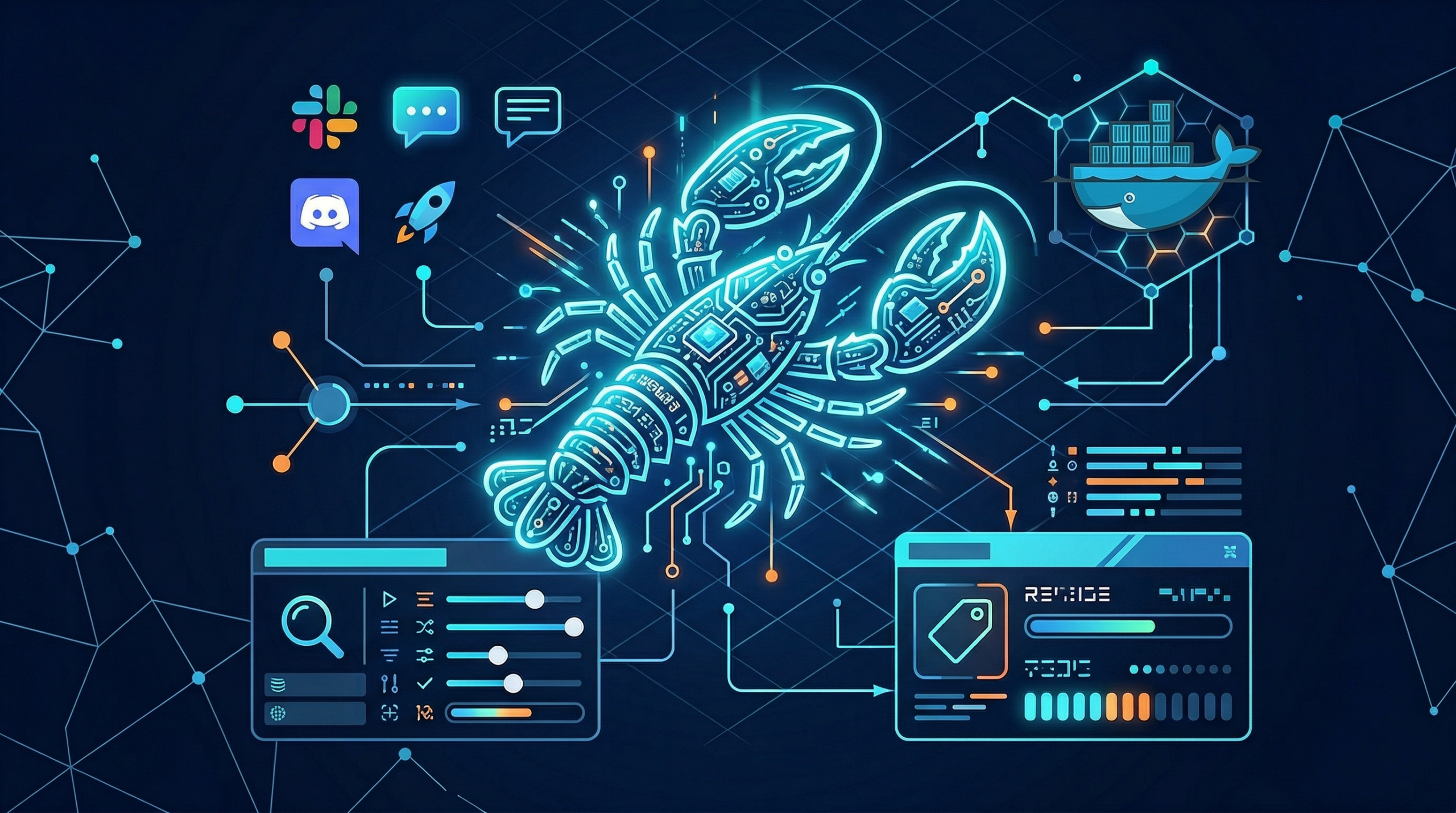
OpenClaw just shipped v2026.3.7, and it’s a practical release for anyone running OpenClaw daily across chat channels, Docker deployments, or multi-agent setups. The headline is a new context engine plugin slot that lets advanced users swap in different context-management strategies without forking core logic. On the ops side, OpenClaw also improves durable channel/topic bindings so long-running assistants survive restarts with fewer surprises.
The release introduces a dedicated ContextEngine plugin slot with lifecycle hooks (bootstrapping, ingest, compaction, and more). The big win: you can experiment with “lossless” or domain-specific memory/compaction strategies while keeping upstream compatibility.
If you operate OpenClaw as a long-running service, you’ve probably felt the pain of having to re-bind an ACP thread target after a container restart. OpenClaw 2026.3.7 adds durable storage and routing resolution for Discord channels and Telegram topics, plus improved approval flows for Telegram.
Onboarding now includes a provider selection step, and the Perplexity integration switches to a structured Search API with language/region/time filters. This matters if you run multilingual communities or want more control over recency and locality in agent research.
Two changes help teams deploying OpenClaw in containers: an OPENCLAW_EXTENSIONS option for baking bundled extension dependencies into the image (faster, more reproducible startups), and a multi-stage Docker build that can produce a minimal “slim” runtime variant.
There’s one operator-facing breaking change to note: if your configuration sets both a gateway token and password (including via SecretRefs), OpenClaw now requires an explicit gateway.auth.mode (set it to token or password) or startup will fail. This is a good “fail closed” safety improvement, but it can surprise unattended upgrades.
gateway.auth.mode if both token + password are present.For the full changelog, see the official release notes on GitHub: OpenClaw 2026.3.7. If you’re building internal assistants for your team, you might also like our broader OpenClaw resources at AIX Society OpenClaw News.
OpenClaw 2026.3.7 adds context-engine plugins, durable channel bindings, and web-search onboarding improvements—plus a gateway auth

OpenClaw 2026.3.2 adds a first-class PDF tool, safer onboarding defaults, and major security hardening for

AI researcher Sasha Luccioni argues that the way we’re building and deploying AI is fundamentally
HKOEA Consultancy
Licence No. 59684
© 2025 Artificial Intellegence Application Research Society. All rights reserved
by Originals Group – Hong Kong, Malaysia, GBA