
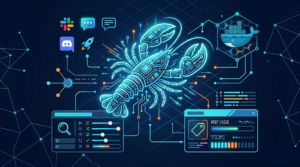
OpenClaw 2026.3.7: context plugins + durable bindings
OpenClaw 2026.3.7 adds context-engine plugins, durable channel bindings, and web-search onboarding improvements—plus a gateway auth

The newest OpenClaw release (v2026.3.2) focuses on one theme: making agent workflows more trustworthy for daily use. If you’ve been waiting to connect OpenClaw to real accounts or to run it in messaging-first setups, this update brings three practical upgrades: a production-ready secrets workflow, a first-class PDF tool, and safer defaults backed by a long list of security fixes.
OpenClaw now ships a dedicated pdf tool with native support for Anthropic and Google models (plus fallback extraction), so agents can read and reason over PDFs without awkward copy/paste steps. This makes common tasks like summarizing contracts, turning research reports into action items, or extracting structured fields from forms much easier to automate.
The secrets system expands SecretRef coverage across 64 credential surfaces and changes the failure behavior: unresolved references now fail fast on active surfaces, instead of silently breaking in the middle of a run. That’s a big quality-of-life win for operators who manage multiple providers, plugins, and channels.
New installs default the tool profile to messaging (rather than broad system access), and ACP dispatch is enabled by default, reducing the number of “gotchas” in first-time setups. There’s also a new CLI command, openclaw config validate (with --json), to lint configs before you start a gateway.
If you’re building “AI staff” workflows (research, document triage, inbox routing, or multi-channel publishing), this release tightens up three points that usually cause pain: credential hygiene, document ingestion, and safe-by-default permission boundaries. The security hardening in the changelog also indicates the project is taking real-world threat models seriously.
Read the full release notes on GitHub: OpenClaw v2026.3.2. If you’re new to this ecosystem, you can also explore more agent workflow ideas in our AI X Society hub: aixsociety.com.
OpenClaw 2026.3.7 adds context-engine plugins, durable channel bindings, and web-search onboarding improvements—plus a gateway auth

OpenClaw 2026.3.2 adds a first-class PDF tool, safer onboarding defaults, and major security hardening for

AI researcher Sasha Luccioni argues that the way we’re building and deploying AI is fundamentally
HKOEA Consultancy
Licence No. 59684
© 2025 Artificial Intellegence Application Research Society. All rights reserved
by Originals Group – Hong Kong, Malaysia, GBA