
HKPC Speech: 40% Cost Reduction, 10x Market Growth — The Practical Logic of Expanding AI into Malaysia
HKPC speech by Michael So on expanding AI into Malaysia — covering 40% cost reduction,
Originally published in Chinese on HK01 on 2025-08-09 07:00 | By Michael C.S. So | AiX Society
Three years ago, I founded a tech startup centered on metaverse music, featuring virtual singers and virtual performances in 3D worlds. At the time, AI had not yet fully permeated the mainstream, and many people remained skeptical about whether “virtual idols could ever become mainstream.” However, I have always firmly believed that the fusion of technology and art will redefine the entertainment industry. Today, we are witnessing firsthand the rapid maturation of AI technology — not only bringing virtual idols into the public spotlight but fundamentally transforming the logic of music, film, television, and content creation. AI is no longer the future; it is the present.
The global craze for AI virtual idols and singers is exploding. China’s AI virtual singer Yuri is a noteworthy example. Her English song “Surreal” has accumulated over 7 million plays across global streaming platforms, showcasing a level of visual and audio synchronization precision that rivals real human performers. The lip-sync technology she uses was developed by ByteDance’s “Jimeng OmniHuman” platform, which can automatically generate realistic singing videos from just a single photo and a song.
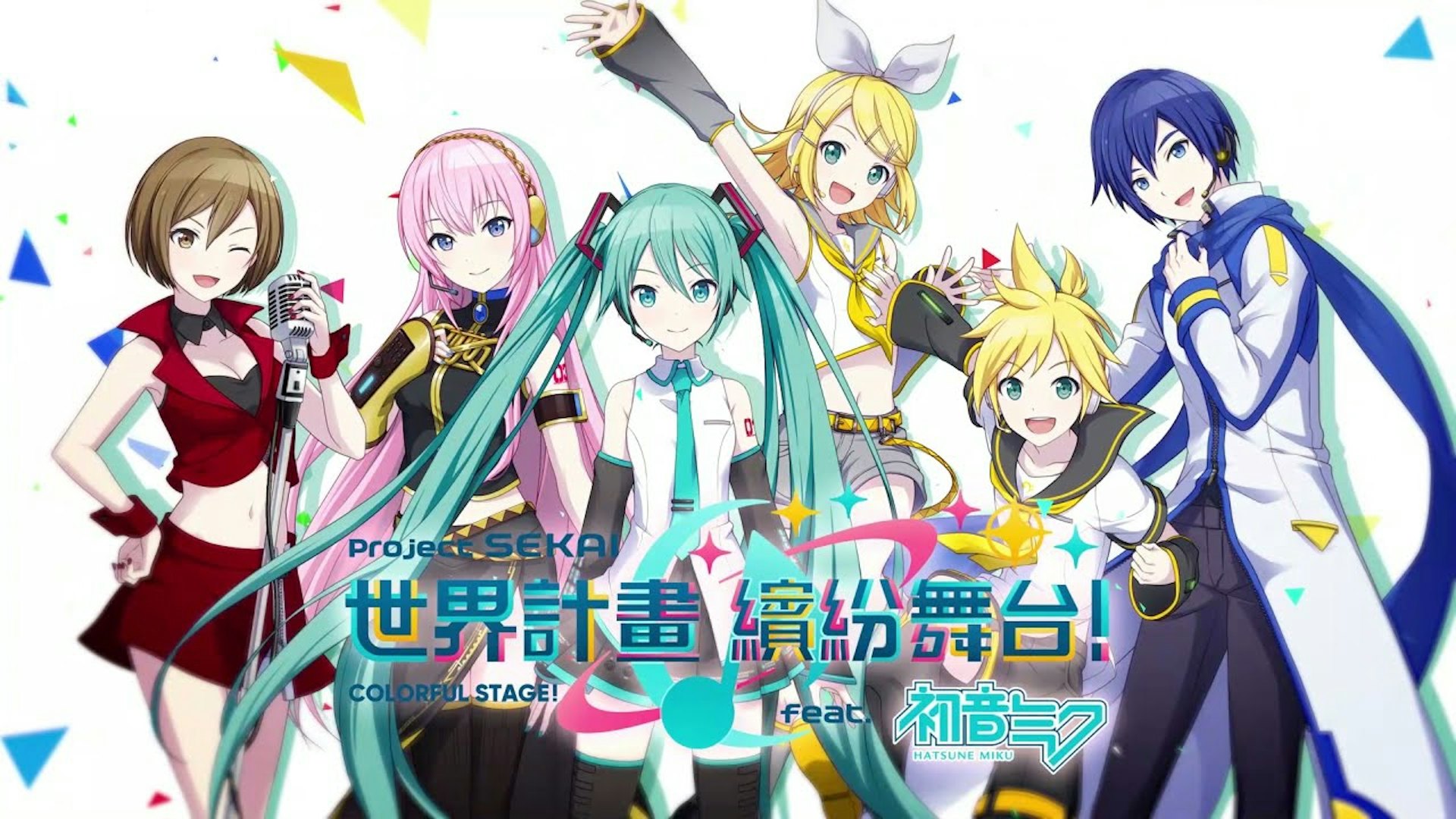
In Japan, Hatsune Miku — the virtual diva launched in 2007 — can be considered the progenitor of virtual singers. Her voice is generated using Yamaha’s Vocaloid technology, with songs, videos, and concert content created by her fan community. To this day, Hatsune Miku continues to hold global tours that attract tens of thousands of live attendees, and has even collaborated with baseball star Shohei Ohtani on promotional videos.
American artist Grimes launched her AI voice licensing platform Elf.Tech in 2023, allowing any creator to apply for authorization to synthesize new works using her voice and share royalties. She publicly stated: “The future AI version of me might be a better creator than the real me.”
These cases reveal a clear trend: virtual singers are no longer single characters but platform-based, modular creative tools and IP vehicles. Every user can be a creator, a producer, or even a “star-maker.”
Current AI singing voice generation relies on several key technologies:
These tools do more than lower the barrier to creation — they unleash creativity itself. For instance, an independent musician can use Synthesizer V to produce a new song “sung by an AI Sandy Lam,” then create a music video with Runway or HeyGen, completing an original single plus video within 24 hours — no recording studio or team required.
The appeal of virtual singers extends beyond their voices to their visual presence and stage performances. Early holographic projection technology required massive equipment and budgets, as seen in Hatsune Miku’s concerts. However, as the prices of virtual reality (VR), augmented reality (AR), and motion capture (MoCap) equipment have dropped, virtual singer performances have begun entering the worlds of livestreaming, social media, and gaming.
For example, numerous virtual singers on Twitch in the United States now conduct 24-hour live streaming performances, powered by a combination of VTuber technology, facial tracking, and AI-generated music — with audiences interacting with them as they would with real artists. Tech companies like Meta and NVIDIA are also investing in the development of “AI holographic digital humans” that could enter metaverse concerts or make guest appearances in games in the future.
The advantages of AI virtual singers include:
However, they also spark considerable controversy, including:
These questions have drawn attention from governments and platforms worldwide. China’s forthcoming “Measures for Labeling AI-Synthesized Content” will require AI-generated content to clearly indicate its source. The United States and the European Union are also pushing to establish an “AI voice and image registry” to protect the rights of both creators and users.
Virtual singers and AI-powered content creation are no longer technological experiments — they represent a new wave of cultural and commercial restructuring. In this global race, whoever can combine creativity and technology, platforms and communities, regulation and ethics, stands to command the narrative of the next entertainment era.
In the 1990s, Hong Kong was hailed as the “Hollywood of the East,” but as industries transformed and regional competition intensified, we gradually lost that title. Today, AI offers us a new possibility — not a return to the film industry’s former peak, but a chance to ride the wave of the AI content revolution and establish a new landmark in “cultural technology.”
We have a multilingual heritage, creative freedom, and international connections. As long as the Hong Kong government, the Hong Kong Film Development Council, and the industry are willing to embrace this wave of change, Hong Kong’s cultural imagination can surely take flight once again.
HKPC speech by Michael So on expanding AI into Malaysia — covering 40% cost reduction,
By Michael So I recently held a lunch-and-learn session at the office centered on two
Last Tuesday (June 23), I had the privilege of serving as a panelist at Saint
HKOEA Consultancy
Licence No. 59684
© 2026 Artificial Intellegence Application Research Society. All rights reserved
by Originals Group – Hong Kong, Malaysia, GBA