
From Pyramid to Diamond: The Management Revolution of the AI Era
By Michael So I recently held a lunch-and-learn session at the office centered on two
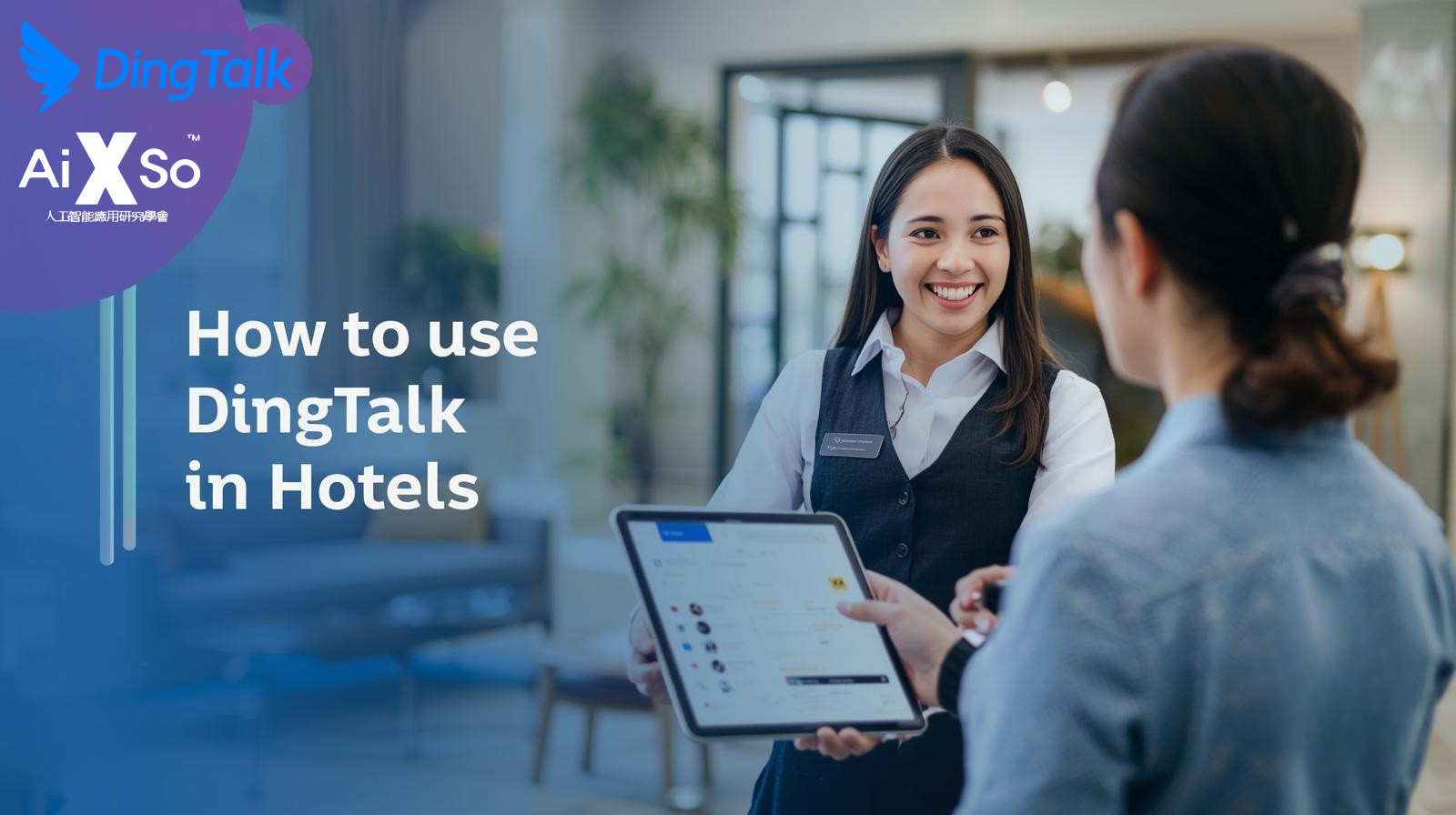
Hotels today face unique operational challenges: coordinating housekeeping teams, managing guest requests, scheduling shifts across departments, and ensuring seamless communication between front desk, maintenance, and management. DingTalk, Alibaba’s enterprise collaboration platform, offers hotel businesses a powerful solution to streamline operations and improve guest satisfaction.
DingTalk transforms hotel management by improving workflow efficiency through real-time communication and task tracking. The platform enables centralized management of all hotel operations—from housekeeping schedules to guest service requests—in one unified system. Team communication becomes instant and organized, reducing response times for guest needs and operational issues. With DingTalk, hotel managers gain better visibility over daily operations, staff can collaborate more effectively, and the entire team stays connected whether they’re at the front desk, in guest rooms, or handling maintenance.
DingTalk’s team chat functionality allows departments to create dedicated groups for housekeeping, front desk, maintenance, and management, ensuring messages reach the right people instantly. Guest service coordination becomes streamlined as staff can quickly communicate about room requests, special accommodations, or urgent issues. The platform’s shift scheduling feature helps managers create and adjust staff rosters, with automatic notifications keeping everyone informed of their schedules. Announcement posting enables management to broadcast important updates, policy changes, or urgent alerts to all staff simultaneously. Additionally, DingTalk supports integration with third-party hotel management systems, allowing seamless data flow between booking systems, property management software, and communication channels.
Begin by creating your hotel’s DingTalk organization and inviting all staff members. Organize employees into departments—Housekeeping, Front Desk, Maintenance, F&B, and Management. Create specific chat groups for each department and cross-functional teams for scenarios like “Guest Emergencies” or “Daily Operations.” Set up the organizational structure to reflect your hotel’s hierarchy, making it easy to route requests and communications appropriately.
Utilize DingTalk’s calendar and scheduling features to create rotating shift schedules for all departments. Publish weekly or monthly rosters that staff can access from their mobile devices. Enable automatic reminders so employees receive notifications before their shifts begin. Managers can quickly adjust schedules when staff call in sick or during busy periods, with changes instantly visible to affected employees.
Establish a systematic workflow for room status updates. Housekeeping staff can use DingTalk to mark rooms as “Cleaning in Progress,” “Clean and Inspected,” or “Needs Maintenance.” When maintenance issues arise, staff can create task cards with photos, descriptions, and priority levels. Maintenance teams receive instant notifications and can update task status in real-time. This visibility helps front desk staff provide accurate room availability information to guests.
Create a dedicated “Guest Requests” group where front desk staff can post incoming requests—extra towels, room service, wake-up calls, or special arrangements. Relevant departments receive instant notifications and can respond with status updates. This creates a digital record of all guest interactions, ensuring nothing falls through the cracks and enabling better service quality tracking.
A 50-room boutique hotel in Shanghai implemented DingTalk and saw immediate improvements. Previously, housekeeping status updates required phone calls or walkie-talkies, causing communication delays. With DingTalk, room status updates became instant, reducing guest check-in wait times by 40%. The maintenance team’s response time improved as issues were documented with photos and tracked until resolution. Staff reported feeling more connected and informed, leading to better coordination during peak seasons.
DingTalk empowers hotels to modernize their operations without expensive custom software. By centralizing communication, scheduling, and task management, hotels can deliver better guest experiences while making daily operations smoother for staff. Whether you run a small boutique property or a larger establishment, DingTalk’s flexible platform adapts to your specific needs, helping your team work smarter and more cohesively.
Text by: Michael C.S. So – AiX Society Hong Kong | Malaysia
By Michael So I recently held a lunch-and-learn session at the office centered on two
Last Tuesday (June 23), I had the privilege of serving as a panelist at Saint

In recent years, a striking term has emerged in the technology world: biocomputing. At first
HKOEA Consultancy
Licence No. 59684
© 2026 Artificial Intellegence Application Research Society. All rights reserved
by Originals Group – Hong Kong, Malaysia, GBA