

HKPC Speech: 40% Cost Reduction, 10x Market Growth — The Practical Logic of Expanding AI into Malaysia
HKPC speech by Michael So on expanding AI into Malaysia — covering 40% cost reduction,
Originally published in Chinese on HK01 on 2025-09-01 15:00 | By Michael C.S. So | AiX Society
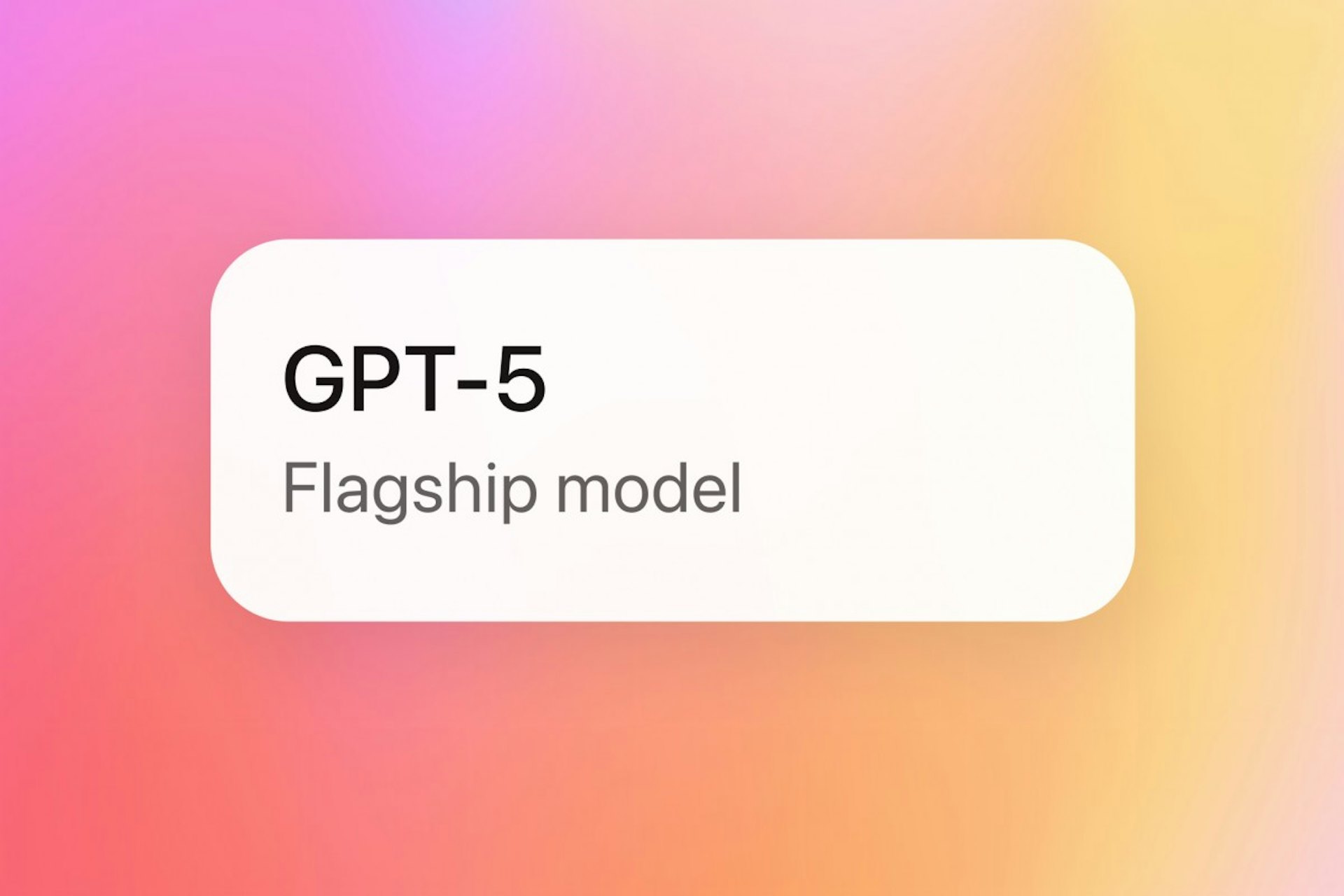
OpenAI’s latest release, ChatGPT-5, has once again raised the ceiling for artificial intelligence. For someone like me who has long been observing AI, this isn’t merely a technical upgrade — it’s a turning point for daily operations and real-life applications. From multimodal understanding to more robust reasoning and memory, AI has begun infiltrating every aspect of our lives with “expert-level intelligence.”
ChatGPT-5 can simultaneously process text, images, video, and other forms of information. Hand it a financial report, and it won’t just read the numbers — it will analyze trends and offer recommendations. On the reasoning front, it no longer occasionally skips steps or misses details as it used to. Instead, it delivers steady, step-by-step deductions, performing much closer to a professional in areas like business strategy analysis, legal interpretation, and mathematical proofs.
Its memory has also improved dramatically. Long conversations no longer suffer from forgotten context. It can even remember your preferred tone and formatting, eliminating the need to repeatedly configure settings during extended work or creative sessions. Combined with the brand-new custom character feature, you can switch interaction styles on the fly — from a meticulous technical consultant to an empathetic listener.
Multilingual performance is more natural than ever. It handles code-switching between Chinese and English with ease, and even navigates Cantonese slang and Taiwanese humor effortlessly. For a bilingual city like Hong Kong, this is an evolution of immense practical value.
For businesses, ChatGPT-5 has become a versatile engine for boosting efficiency.
E-commerce and Marketing: Rapidly generate multilingual product descriptions, ad copy, and SEO content. It understands the visual selling points of product images and produces consistently styled product visuals. Cross-border e-commerce operations can now respond to customer inquiries instantly in the customer’s native language.
Finance and Insurance: It can quickly compare policy combinations based on a client’s background and provide concise recommendations. During claims processing, it assists in reviewing documents and cross-referencing terms, reducing the manual workload.
Customer Service and Administration: A 24/7 intelligent customer service agent that remembers users’ conversation history, making interactions more coherent. Internally, it can handle meeting minutes, summarize email highlights, and track project progress.
Copywriting and Creative Work: Produce business proposals, press releases, and social media post ideas in bulk, aligned with brand tone — freeing teams to focus on more strategic work.
Production and R&D: Analyze production data to optimize scheduling and predict equipment failures. In R&D, it rapidly synthesizes technical documentation, shortening the time to solve problems.
Whether you’re in cross-border e-commerce or traditional manufacturing, GPT-5 makes it possible for small teams to accomplish big things.
ChatGPT-5 doesn’t just serve businesses — it has a tangible impact on personal life as well.
Personal Assistant: Through natural voice conversations, it can help you plan your schedule, send invitations, create shopping lists, and even generate daily news summaries and to-do lists.
Education and Learning: It explains complex concepts in accessible ways, incorporating animations or interactive simulations to boost engagement. Language learners can use it to practice speaking and correct pronunciation.
Health Advice and Medical Second Opinions: This is what I consider one of ChatGPT-5’s most distinctive advances. With more precise reasoning and a vast medical knowledge base, it can now serve as a “second opinion” source for patients worldwide. When you receive a health checkup report, GPT-5 can interpret abnormal indicators, flag potential health risks, and explain the underlying medical significance in plain language. It won’t replace a professional physician’s diagnosis, but it can help you clarify questions and prepare more targeted inquiries before meeting your doctor. This is especially important in regions where medical resources are strained and appointment times are limited. In developing countries, it could reduce diagnostic delays; in developed nations, it helps patients participate more meaningfully in their own treatment decisions. This “AI-assisted healthcare” model, when combined with professional oversight, has the potential to improve the accessibility and accuracy of healthcare services globally.
Creative Entertainment: It assists with novel brainstorming, poetry continuation, comic design, and even improvised board game scripts, bringing more inspiration to the creative process.
In Hong Kong, SMEs can use GPT-5 to enhance their image and efficiency. For example, a small retail shop could deploy a bilingual Cantonese-English chatbot to extend service hours, while business owners can use it to compile market intelligence, analyze competitors, and support decision-making.
For knowledge workers, it can handle tedious preliminary tasks — lawyers drafting contracts, accountants organizing financial reports, journalists distilling interview highlights — but the final professional judgment still rests with humans. In the future, “professionals who know how to use AI” will be in even greater demand.
For the general public, while enjoying the conveniences AI brings, it’s equally important to cultivate AI literacy and avoid blind reliance — especially in critical areas like healthcare and law, where professional oversight remains essential. Privacy and ethics are also issues that cannot be overlooked.
ChatGPT-5 gives us a glimpse of a future where AI evolves from a tool into a “collaborative partner” — one that autonomously schedules tasks, integrates real-time voice, images, and database queries, and serves as an all-encompassing intelligent assistant.
My recommendations:
In a city that prizes efficiency and innovation, making good use of ChatGPT-5 will unlock unprecedented possibilities for businesses and individuals alike. But we must also stay clear-headed, ensuring it becomes a partner that drives human progress — not a rival that replaces our value.
HKPC speech by Michael So on expanding AI into Malaysia — covering 40% cost reduction,
By Michael So I recently held a lunch-and-learn session at the office centered on two
Last Tuesday (June 23), I had the privilege of serving as a panelist at Saint
HKOEA Consultancy
Licence No. 59684
© 2026 Artificial Intellegence Application Research Society. All rights reserved
by Originals Group – Hong Kong, Malaysia, GBA