AI創業致富證書課程 Kick-Off at Hong Kong Academy of Management
Today’s session at Hong Kong Academy of Management was about showing entrepreneurs and professionals how
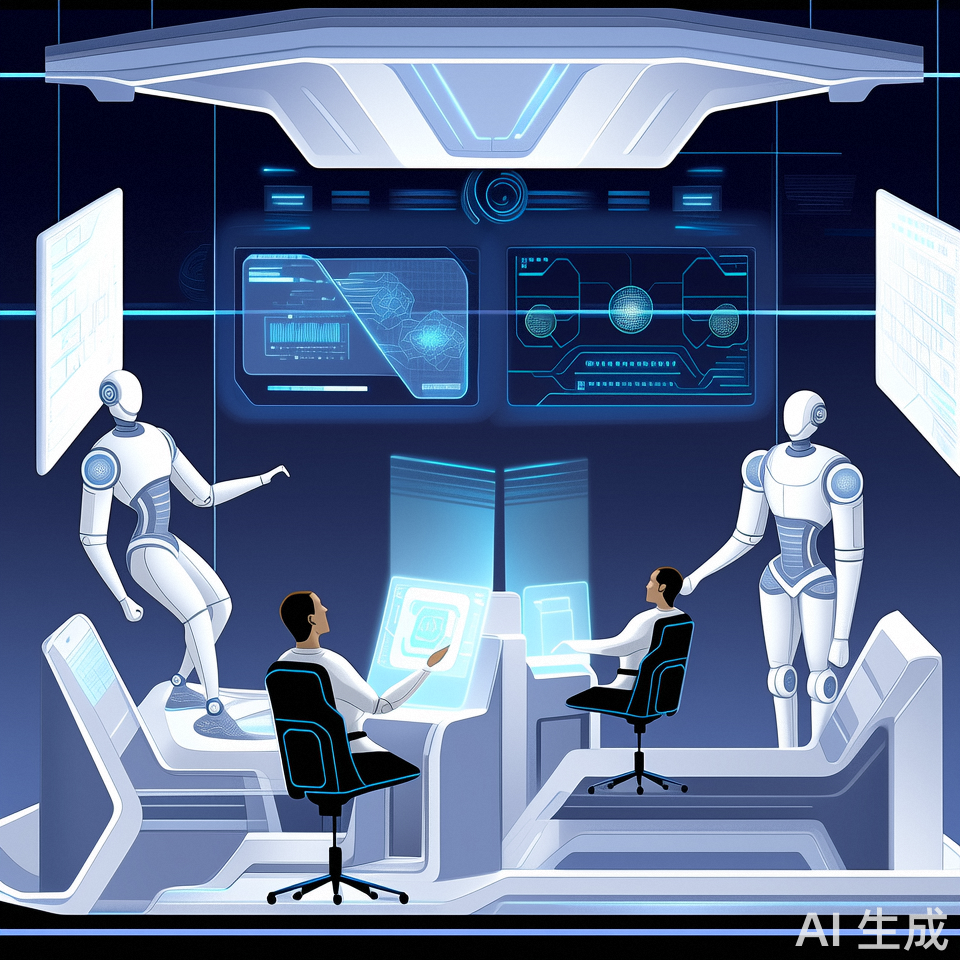
Discover how to design an AI Human Hybrid Management System and build future-ready teams with AI-savvy talent. The AI Human Hybrid Management System is crucial for integrating technology with human skills.
Integrating an AI Human Hybrid Management System will empower teams to achieve more than they ever thought possible.
Understanding the AI Human Hybrid Management System enables organizations to thrive in a rapidly changing environment. The AI Human Hybrid Management System fosters collaboration between AI and human employees.
An AI Human Hybrid Management System is essential for the future of work.
Giving Work Its Soul Back—Recently, I’ve begun expanding our AI Transformation consulting services and preparing to hire several new employees within the company. This process has given me deep insight into the fact that future team management is not just about hiring the right people, but also about understanding how to enable humans and AI to work together effectively through an AI Human Hybrid Management System.
In our case, we must consider not only whether employees can operate AI tools, but whether they possess the ability to design AI workflows, are willing to establish standard operating procedures (SOPs), and know how to collaborate with AI using data and logic. This realization is exactly why I’m writing this article. Understanding the AI Human Hybrid Management System is crucial in today’s workplace.
The AI Human Hybrid Management System requires a mindset shift among leaders and teams to fully leverage its potential.
To maximize the effectiveness of an AI Human Hybrid Management System, it’s essential to share knowledge and experiences across teams.
Introducing AI into a business isn’t just about reducing headcount; it’s a “truth detector” for the entire management system. Teams without clear processes will only become more chaotic after adopting AI, because AI excels at amplifying human behavior—making good outcomes better and bad ones worse.
I often remind managers: AI doesn’t solve chaos; it simply reveals where the problems lie. If a team lacks clear responsibilities, proper data tracking, or decision transparency, AI will ruthlessly expose these weaknesses.
Organizations that embrace the AI Human Hybrid Management System will see significant improvements in productivity and innovation.
Creating an effective AI Human Hybrid Management System involves continuous training and development of both AI tools and human talent.
In the context of the AI Human Hybrid Management System, employees must adapt to new processes that integrate AI capabilities.
Recruitment today goes beyond asking, “Do you understand AI?” Instead, the key question is: “Are you willing to let AI assist in your work?”From my hands-on consulting experience, employees who truly collaborate well with AI share three traits:
The AI Human Hybrid Management System is not just about technology; it’s about empowering people to work alongside AI effectively.
AI-savvy talent doesn’t necessarily need to be programmers—they just need logical thinking and the ability to clearly articulate processes. These individuals drive automation and ensure organizational knowledge isn’t trapped in individual minds.
In an AI Human Hybrid Management System, the collaboration between human insight and AI efficiency drives innovation and growth.
Organizations adopting an AI Human Hybrid Management System are better equipped to navigate the complexities of modern business.
The implementation of the AI Human Hybrid Management System requires careful planning and testing to ensure success.
Ultimately, the AI Human Hybrid Management System lays the foundation for innovation and adaptive learning within organizations.
In the AI era, hard work alone is no longer a core competitive advantage. What truly matters is: “Can you design systems that enable AI to do more for you?”
Therefore, performance evaluation must evolve. Traditional companies measure output volume; forward-thinking companies should assess “system-building capability.”
For example:
Ultimately, the success of an AI Human Hybrid Management System hinges on the willingness of teams to work collaboratively with technology.
These new metrics will form the language of management in the AI age.
Implementing the AI Human Hybrid Management System requires collaboration and communication across all levels of an organization.
Designing AI workflows shouldn’t be left solely to technical teams. Those who understand the business best should lead the design.From my consulting work, I’ve distilled four key steps:
My principle: “AI drafts, humans finalize.” Once properly trained, AI allows humans to focus on strategy, creativity, and high-level decision-making.
As companies adopt the AI Human Hybrid Management System, they will find new ways to enhance efficiency and reduce costs.
It’s common for companies to use multiple AI tools simultaneously—but this brings challenges: scattered data, unclear permissions, redundant operations.
Therefore, we must build an “AI Hybrid Management System” that assigns clear roles, data flows, and task logic to each AI tool. In short, management must extend beyond people to managing an “AI team”—an invisible but constantly working virtual workforce.
This is the new challenge for future leaders: AI Governance.
Implementing an AI Human Hybrid Management System can significantly enhance productivity and foster collaboration between human and AI agents.
To succeed, the AI Human Hybrid Management System must align with the company’s overall strategy and objectives.
I’ve met many employees who feel anxious at the mention of AI, fearing replacement. But the truth is, AI doesn’t replace people—it replaces those unwilling to learn.
AI amplifies both your strengths and your laziness. True security doesn’t come from avoidance, but from learning to harness it.
The role of leadership is to foster a culture that allows for experimentation and mistakes, giving employees space to gain confidence. When AI becomes part of daily work, humans can refocus on creating real value.
To build a successful AI Human Hybrid Management System, teams must actively engage in designing workflows that leverage AI capabilities.
AI can make work faster, but it cannot make work meaningful. The soul of an organization still lies in those who are willing to think critically and continuously improve processes.The hybrid model of AI and human management represents an upgrade in corporate culture—from “How do I do this?” to “How do I design a system to do this?” This is not merely a technological revolution, but a transformation in management philosophy.For me, AI will not replace humans—it simply empowers those who are prepared to go further, faster.
AI Human Hybrid Management System empowers organizations to evolve and adapt, ensuring long-term sustainability in an ever-changing landscape.
A comprehensive AI Human Hybrid Management System addresses the challenges of scattered data and unclear permissions, ensuring effective oversight.
Embracing an AI Human Hybrid Management System allows companies to transform anxiety into opportunity, fostering a culture of continuous learning.
With an effective AI Human Hybrid Management System, organizations can ensure that AI enhances human creativity and decision-making processes.
Today’s session at Hong Kong Academy of Management was about showing entrepreneurs and professionals how
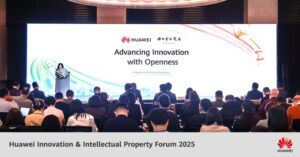
在人工智慧技術飛速發展的當下,算力基建、智慧財產權保護與開源共用正成為創新領域的焦點議題。近日,筆者以香港浸會大學專利顧問委員會成員的身份,見證於北京舉行的華為2025年創新和智慧財產權論壇,親身感受這場以“開放驅動創新”為主題的思想碰撞。論壇上,華為發佈了第六屆“十大發明”評選結果,涵蓋計算、作業系統、存儲等面向未來的關鍵技術領域。其中最引人注目者,莫過於名列首位的“Scale-up超大規模超節點算力平臺”——一套超級算力系統,被譽為人工智慧時代的新型基礎設施。本文將結合論壇見聞和筆者實務經驗,觀察該超級算力在AI時代的基建角色,探討“開源共用”與“智慧財產權保護”對創新的雙重意義,並反思香港在創新基建、產學研轉化、專利文化等方面的瓶頸與出路。 超級算力集群:AI時代的基建底座 這款被華為評為年度十大發明之首的Scale-up超大規模超節點算力平臺,實質上是由眾多AI處理器組成的單一邏輯超級電腦。隨著AI模型規模指數級增長,訓練這些模型所需的算力和資料輸送量呈爆炸式上升。傳統的伺服器堆疊模式面對超大型AI任務時,往往出現“ 集群越大、有效算力利用率反而越低,訓練中斷越頻繁”的窘境。華為針對此痛點創新出“超節點”系統架構,具備資源池化、線性擴展和高可靠性等特性:通過統一高速協定和共用記憶體編址,打通計算與存儲單元的高頻寬低時延互聯,使有效算力可隨節點規模近乎線性增長,同時大幅提升集群穩定性。華為輪值董事長徐直軍強調:“算力是——而且將繼續是——AI的關鍵”。基於對這一點的共識,華為推出了新一代Atlas系列超節點產品,其中Atlas 950 SuperPoD即對應此次的Scale-up超級算力。該平臺面向超大型AI訓練任務,從基礎器件、協定演算法到光電互聯均實現了系統級創新。例如,它採用正交架構設計實現零線纜的電氣互連,搭配全液冷散熱與浮動盲插技術確保不滲漏,同時首創UB-Mesh遞迴直連拓撲,支持單板內、板間、機架間NPU全互聯,以64卡為模組靈活擴展,最大可支援8192顆昇騰AI處理器無收斂互聯。換言之,上千顆AI晶片可彙聚成“一個大腦”協同運算,真正消除超大規模訓練的瓶頸。 從實踐看,超級算力已不僅是實驗室概念,而成為產業AI生態的基礎底座。華為透露,截至目前其上一代Atlas 900系列超節點系統已累計部署超過300套,服務於互聯網、金融、電信、電力、製造等行業的20多家客戶。在人工智慧時代,類似Atlas 950這樣的本地智算樞紐,相當於數字經濟的高速公路與電力網絡:為產業生態提供共用的算力資源,降低創新應用部署門檻,有力支撐從雲服務到垂直行業落地的AI解決方案。尤其對中國而言,在先進晶片供給受限的背景下,華為選擇利用現有制程自研超大規模計算平臺,以系統工程突破彌補晶片性能不足,體現出以基建思維佈局AI長遠發展的戰略定力。 “開放共用”與“智慧財產權”:雙軌驅動創新的辯證 本屆論壇傳遞出一個明確訊息:開源合作和智慧財產權保護並非對立,而是創新發展的雙引擎,需同步推進、制度協調。華為首席法務官宋柳平在會上表示:“開放創新是推動社會發展和技術進步的重要力量,也是華為的DNA。華為一直在踐行‘開放’的理念,用開放驅動創新。同時,華為注重自有智慧財產權的保護,也尊重他人的智慧財產權,包括專利、商標、版權和商業秘密等。”簡言之,一方面積極參與開源與共用,另一方面嚴格保障智慧財產權,兩條路並行不悖。華為近年來在專利研發和佈局上不遺餘力。2024年華為專利授權收入約6.3億美元,同時其歷年累計支付的專利許可費是自身許可收入的三倍之多。根據世界智慧財產權組織統計,華為2024年通過PCT公開的國際專利申請達6600件,自2014年以來連續位居全球首位。僅2024年一年,華為新公開專利就達3.7萬件,創下歷史新高。強大的專利庫讓華為在5G、Wi-Fi、視頻編碼等領域建立了廣泛的授權生態:截至2024年底,全球已有超過27億台5G設備、12億台消費電子設備和32億台多媒體設備獲得華為專利授權,全球500強企業中有48直接或間接獲得華為的授權許可。 另一方面,華為在開源開放方面同樣投入巨大資源。其副總裁、智慧財產權部部長樊志勇指出,華為透過“軟體開源、硬體開放、專利申請、標準貢獻與學術論文等多種形式”推動技術開放。2024年華為向標準組織新提交技術提案超1萬篇,發表學術論文逾1000篇;在開源社區方面,主導或參與了多個大型專案,例如OpenHarmony開源作業系統社區已有超過8100名共建者;openEuler開源OS發行版本累計裝機量已突破1000萬套;並將昇騰AI基礎軟體棧全面開源,包括CANN計算架構和MindSpore深度學習框架,並優先適配主流開源社區如PyTorch、vLLM等。 由此可見,“智慧財產權保護”保障了創新者的投入回報和商業動力,而“開源共用”則能彙聚眾智加速技術成熟與應用擴散。兩者並非水火不容,關鍵在於尋求制度性的平衡與協同。正如香港大學鄧希煒教授所言,一個強健、開放且受國際信賴的專利體系是創新引擎運轉不可或缺的條件。 全球範圍內,“開源”與“封閉”的博弈亦在演變。NVIDIA以CUDA軟體平臺構建封閉生態,形成極高的市場壁壘與利潤迴圈,但OpenAI從開源轉向封閉的過程亦引發反思。當Meta等公司以Llama開源模型崛起,開源生態再次展現強勁生命力。這些案例共同說明:唯有平衡專利保護與開源合作,才能讓科技創新在競爭與共榮中持續演進。 香港創新生態的瓶頸與建議
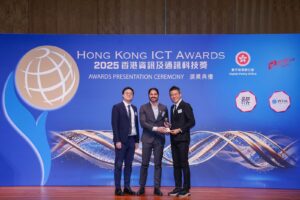
AiX Society is thrilled to congratulate our valued partner, Midas Analytics, for winning the prestigious
HKOEA Consultancy
Licence No. 59684
© 2025 Artificial Intellegence Application Research Society. All rights reserved
by Originals Group – Hong Kong, Malaysia, GBA